
Explore a sample of AR, VR, and 3D web projects. We help companies take custom applications from concept to final product, including virtual training, guided tours, education, walkthroughs, events, digital twins, machine replacement, trade shows, and marketing.
Work
Recent AR/VR Case Studies
Explore AR, VR, and 3D web projects across training, education, walkthroughs, events, digital twins, machine replacement, and product demos. The projects involve custom software development and hardware considerations specific to the use case.
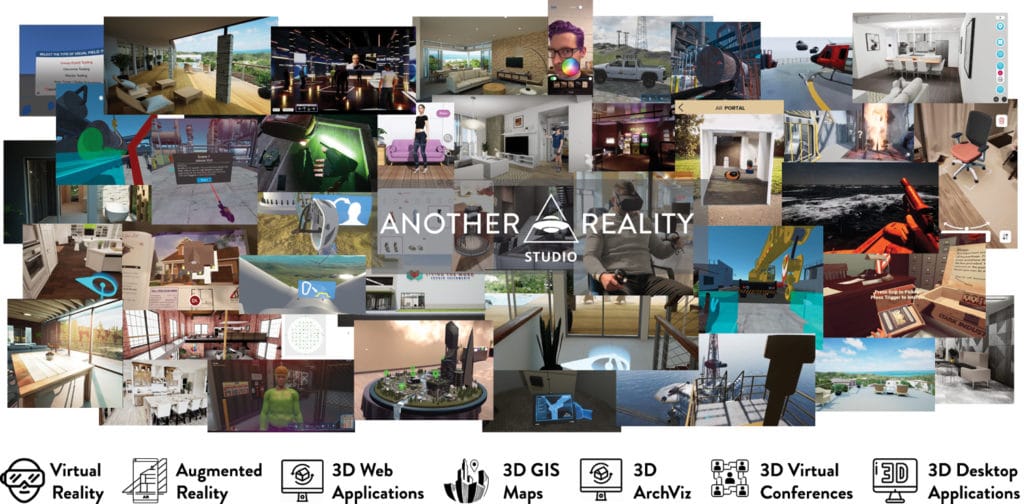
Overview
A Sample of AR/VR Software Development
Featured Visuals
Case Study Preview Gallery
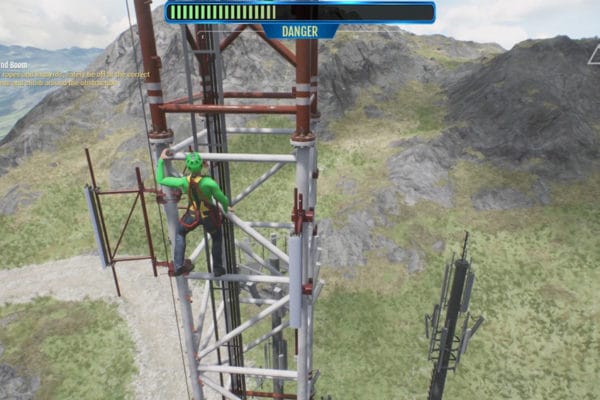
3D Virtual Training AR/VR Case Studies
Training and simulation projects delivered in XR.
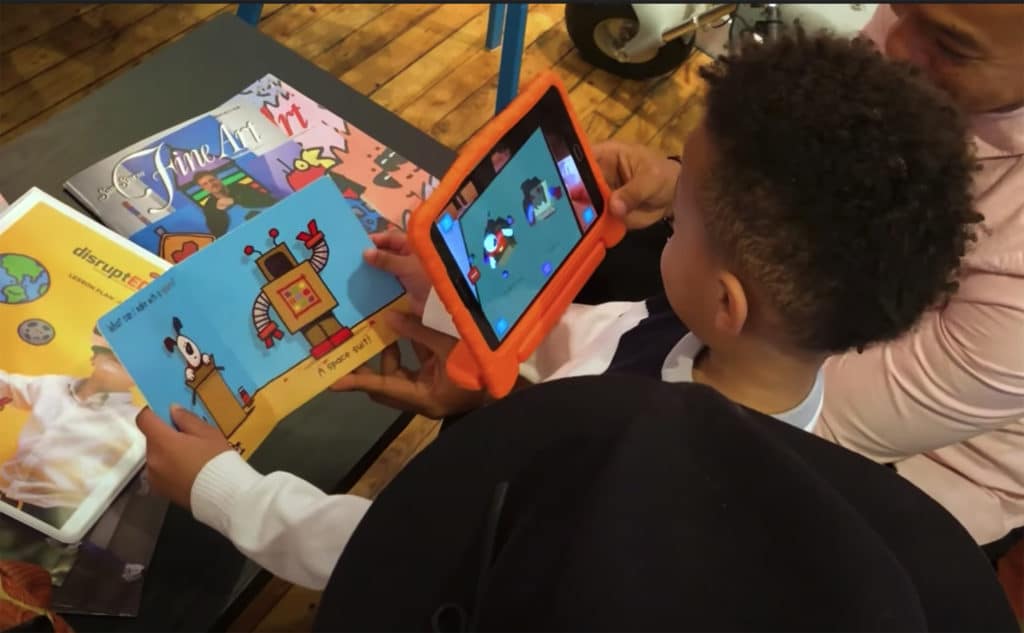
3D Clothing Try-On AR/VR Case Studies
Product interaction across mobile and web-based XR experiences.
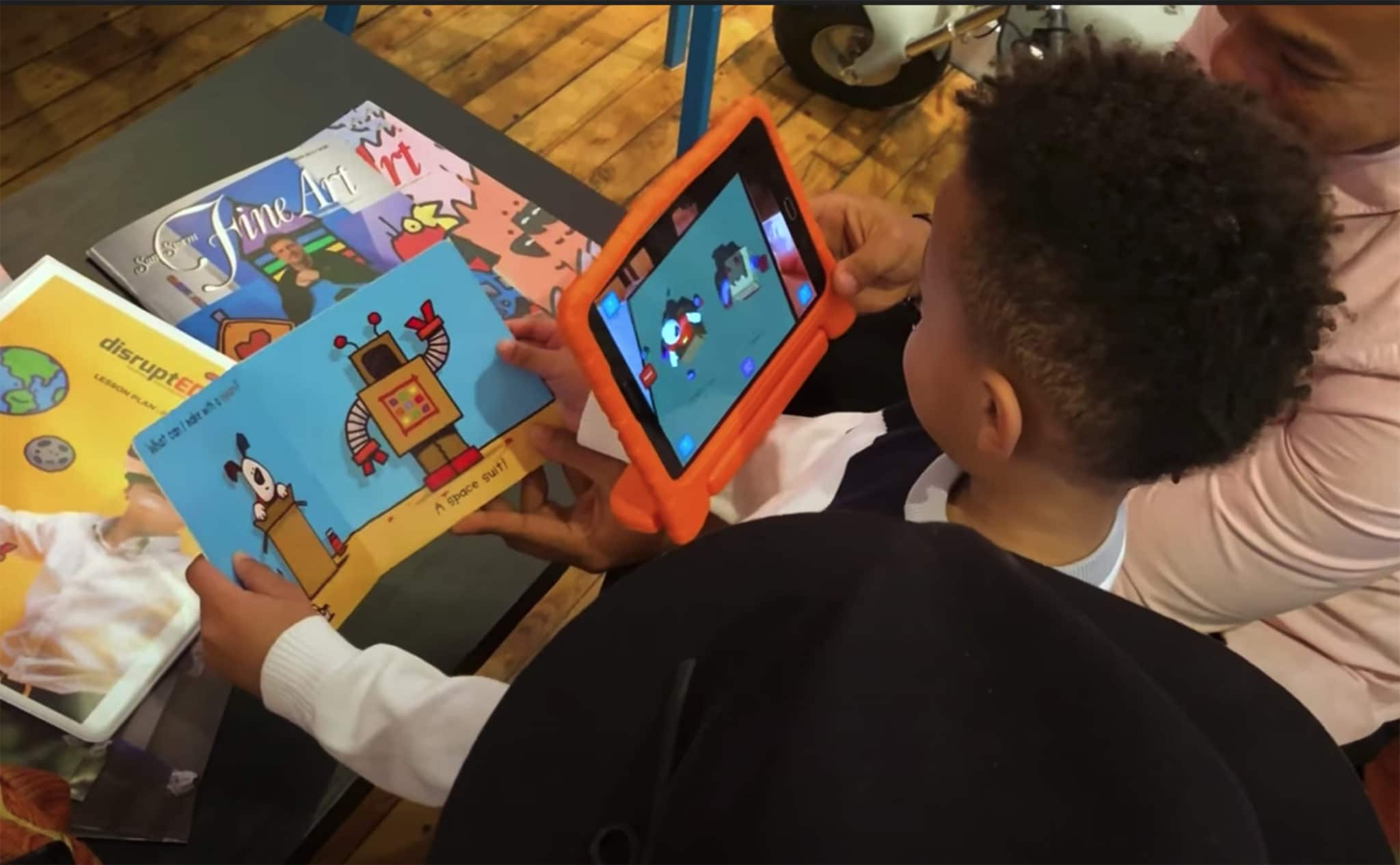
Children's Learning App
Educational and youth-focused interactive applications.
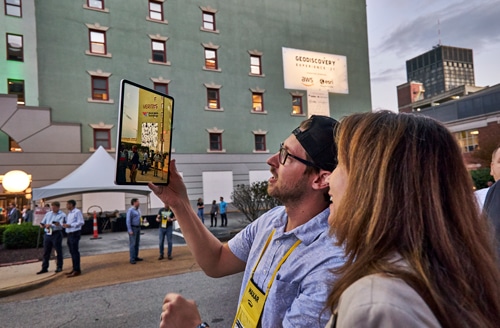
Augmented Reality Guided Tour
Location-aware experiences for wayfinding and storytelling.
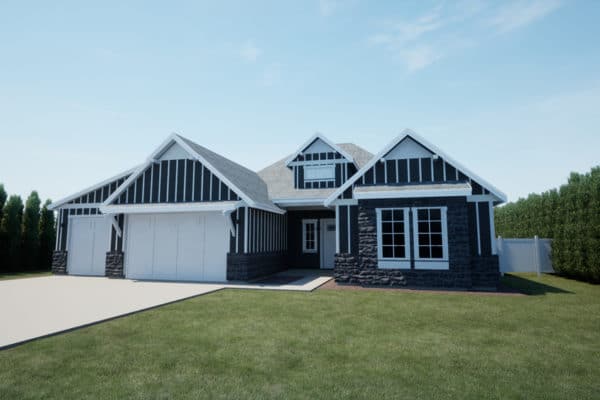
Looking Glass Interactive 3D Walkthrough
Interactive 3D walkthroughs for architecture and design.
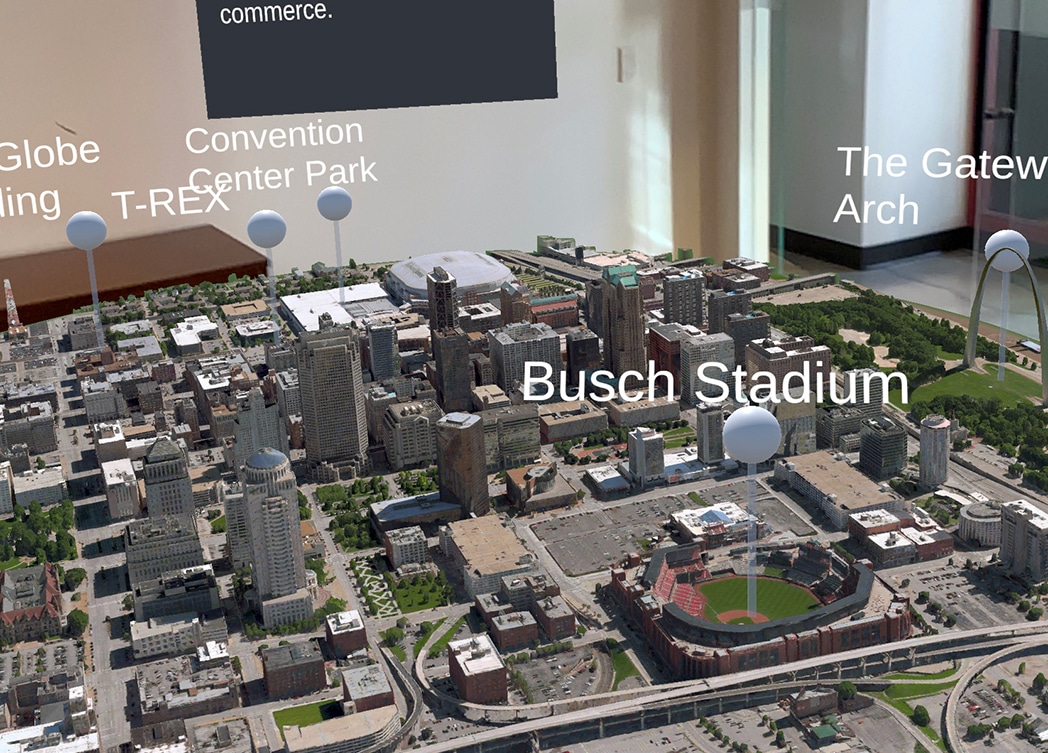
3D GIS City Map
Digital twin and city-scale geospatial visualizations.
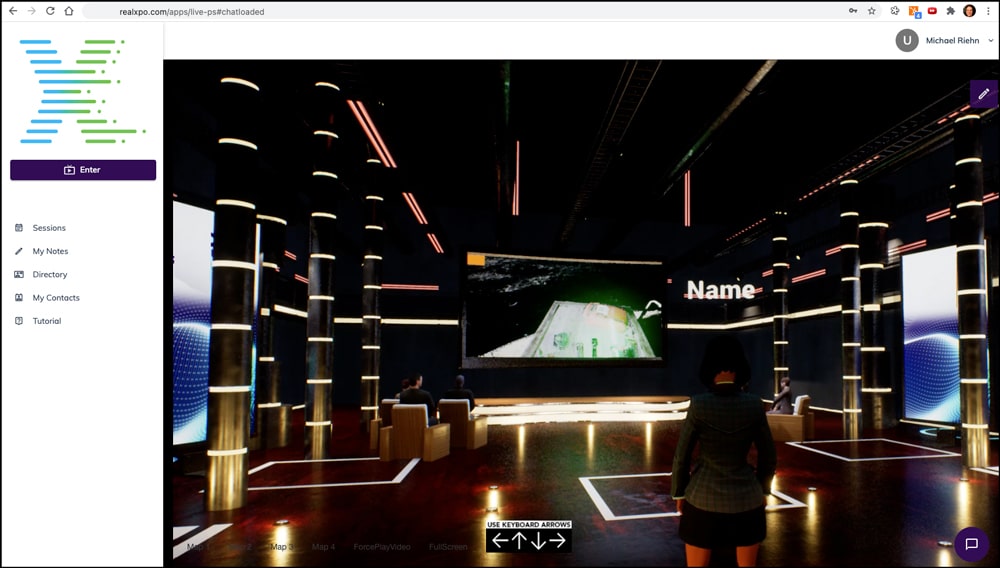
RealXpo Live Virtual Event Booths
Virtual event booths and conference environments for live audiences.
AR Machine Replacement
Industrial assembly and machine-replacement XR workflows for operations teams.
Categories
Case Study Areas
Virtual Training
We build platforms for interactive training and testing sessions for businesses, organizations, and educators.
3D Web/ VR Walkthroughs
Convert 3D designs into walkthroughs viewable in a web browser or VR application.
AR Trade Show Booth
Use XR trade show content to demonstrate products in ways traditional and digital trade show booths cannot.
AR/VR Education
XR helps students connect with content through hands-on experience.
Digital Twins
ARS creates interactive virtual replicas connected to their real-world counterparts.
Points of Interest Tours
An augmented reality guided tour creates an engaging information experience for your business.
AR Everywhere
See how AR Everywhere turns real-world locations into cross-platform AR experiences with guided narratives and branded activations.
3D Virtual Shows
The RealXpo 3D virtual event platform allows you to host and stream online conferences, trade shows, job fairs, and more on the web.
AR Marketing & Product Demos
AR, VR, and mobile applications let customers explore products in ways traditional and digital media cannot.
Assembly & Industrial Machine XR
We build platforms for machine replacement and interactive assembly experiences.
Get Started
Discuss Your XR Project
Requirements
Hardware Requirements for AR and VR
AR and VR devices let users view and interact with digital elements in real-world or fully immersive environments. They range from smartphones and tablets to dedicated hardware such as Meta Quest virtual reality (VR) headsets, Microsoft HoloLens mixed reality (MR) devices, and Magic Leap augmented reality (AR) glasses. Depending on the device and development approach, the hardware can track head and hand movements and display virtual objects in a user's field of view.
VR requires a headset so users can experience a fully immersive environment. Options range from lower-cost to higher-cost hardware, including Meta Quest, HTC Vive, Valve Index, and PlayStation VR. A headset tracks the user's head movements so they can look around and explore the virtual world. Users also often need controllers or other input devices to interact with the virtual environment. Higher-end models can support hand gestures instead of handheld controllers, though those inputs can be less stable.
These devices work together to track movement, display virtual content, and support interaction within the experience.
Connect
Need Help Choosing Hardware And Platform?
Development
AR/VR Case Studies for Software Development
Hardware supports XR projects, while software determines how the application works. The case studies show how applications use graphics, tracking, and interaction for different use cases.
Developers create AR and VR applications using specialized software development kits (SDKs) that provide tools and libraries for building immersive experiences. These SDKs enable our developers to incorporate gesture recognition, spatial mapping, and other advanced features into our applications. For AR, developers can use ARCore for Android or ARKit for iOS, which provide the necessary tools to create augmented reality experiences on mobile devices. For virtual reality, developers can use platforms like Unity or Unreal Engine, which offer powerful rendering capabilities and support for various VR headsets.
Computer vision algorithms and machine learning can improve AR and VR tracking. They allow virtual objects to be placed and interacted with in real-world or virtual environments. Real-time rendering can also reduce latency and support more realistic graphics.
Our case studies may include applications similar to yours. We continue to add new features and improve graphics as AR and VR technology evolves.
We showcase AR/VR case studies from hundreds of 3D business applications since 2013. Our team has worked with companies ranging from start-ups to Fortune 100. Contact us to find an AR/VR case study relevant to your project.
Consultation
Plan Your Next XR Rollout
More Work
Can't Find the AR/VR Case Studies You're Looking For?
See More XR Experiences
Another Reality Studio builds custom XR solutions and integrates emerging technologies into workflows and procedures. Watch the reel for more XR experience examples, or contact us for an AR/VR case study relevant to your project or technology needs.
Explore the reel, then connect with our team for project references relevant to your goals and industry.
Portfolio
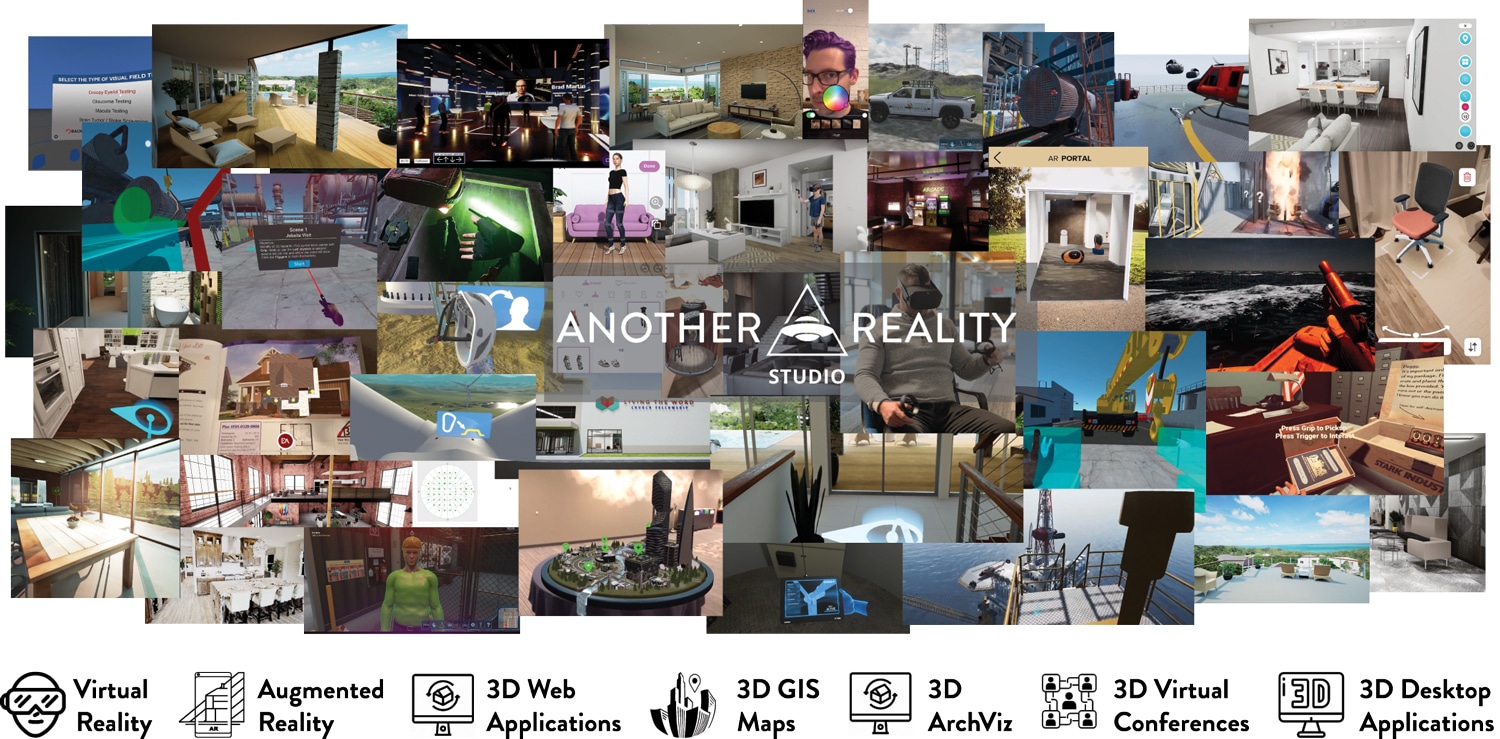
AR/VR Case Studies Project Collage
Project Collage
A cross-section of AR/VR projects delivered across business training, digital twins, product demos, and immersive experiences.