
Augmented Reality
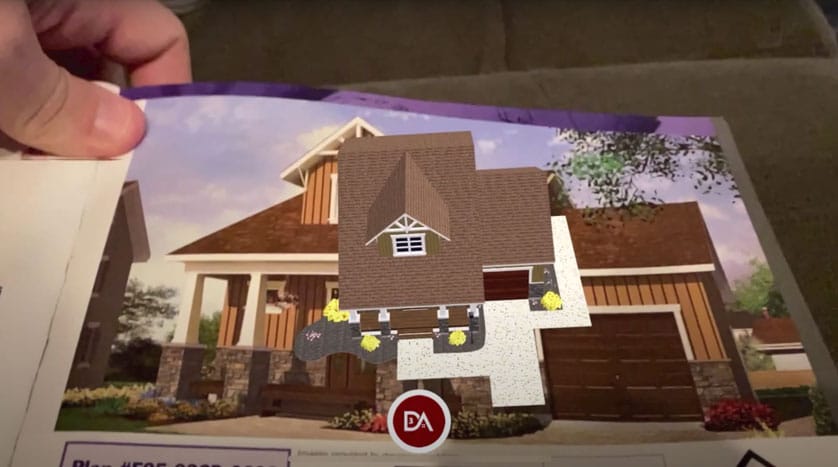
Digital content appears in a view of the physical world. AR can guide a task, explain a place, or let someone examine a product in context.
AR/VR FAQ
Understand the technology, compare delivery options, and identify the questions that should shape an immersive project.
These terms describe different relationships between the user, the device, and the surrounding environment.
Digital content appears in a view of the physical world. AR can guide a task, explain a place, or let someone examine a product in context.
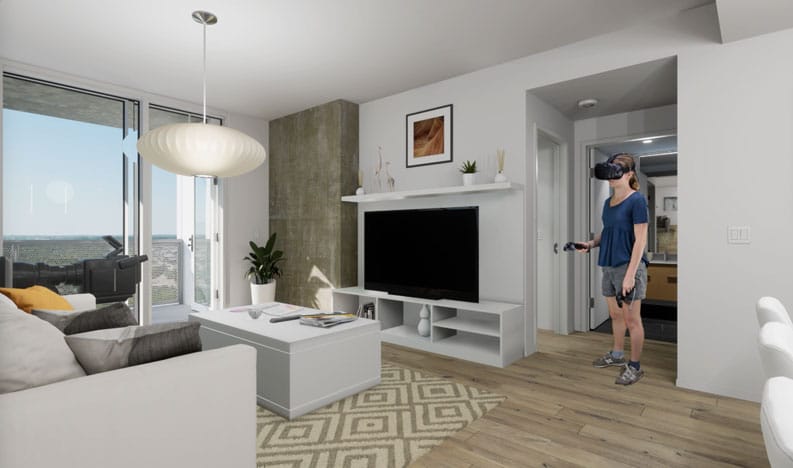
A headset places the user inside a digital environment. VR is useful when presence, scale, spatial interaction, or safe practice matters.
Digital objects share space with the physical environment and can respond to it. The user can interact with virtual content while remaining aware of the room.
A headset can create presence, block distractions, and support spatial interaction. AR can keep real equipment or surroundings in view. Browser-based 3D can make an experience easier to reach. ARS evaluates the setting, audience, content, and operational constraints before recommending a platform.
Explore common questions about platforms, planning, data, and delivery.
Start with the language used to describe immersive and interactive experiences.
Extended reality, or XR, is an umbrella term for augmented reality, virtual reality, mixed reality, and related spatial experiences. It is useful when a project may span more than one type of device or interaction.
No, not automatically. A 3D experience can run in a web browser on a phone or computer without becoming VR. Some web applications also support immersive VR modes on compatible devices, so one product can offer both familiar screen controls and a headset experience.
A standalone headset runs the application on hardware built into the device. A PC-based headset uses a connected computer for processing. The right choice depends on visual demands, mobility, setup, deployment, and the environment where the experience will be used.
Good platform decisions begin with the people, setting, and outcome.
Consider what the user needs to do, where they will do it, how much equipment is practical, and how widely the experience must be distributed. AR keeps the physical setting visible, VR creates a focused digital environment, and web 3D can reduce the barrier to access.
Define the audience, the problem to solve, the target environment, the essential interaction, available content or data, and how the team will evaluate success. A focused prototype can then test the highest-risk assumption before a larger build.
ARS develops interactive applications with real-time 3D engines such as Unity and Unreal Engine, along with web, mobile, design, and 3D content tools. The specific stack is selected around the experience, integrations, target devices, and support needs.
The application has to work in its real setting and support a clear purpose after launch.
Organizations use immersive technology for training, education, healthcare and therapy, design review, virtual walkthroughs, events, product demonstrations, and interactive storytelling. The useful question is whether spatial interaction improves the task or experience.
It can be designed to record relevant interactions or progress when that supports the product goal. The data plan should be defined deliberately, with appropriate notice, consent, access controls, and retention practices for the audience and context.
Yes. ARS can help shape the concept, prototype interactions, design the user experience, create or prepare 3D content, develop integrations, test on target hardware, and plan deployment. The engagement can begin with discovery or with an existing product brief.