
Turnkey XR Development
One Team From First Question to Release
Strategy, experience design, software development, 3D production, testing, and launch planning for AR and VR products.
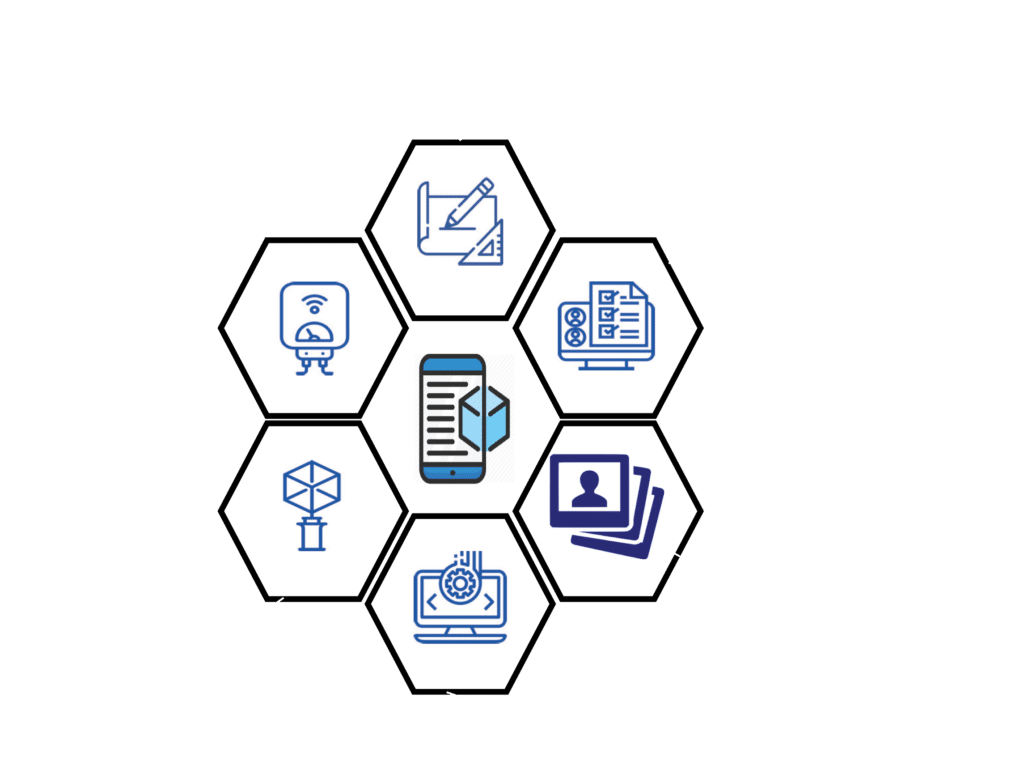
A Practical Path Through Complex XR Decisions
Immersive products combine product strategy, interaction design, real-time software, content, hardware, and deployment. ARS coordinates those parts around one use case and one release plan.
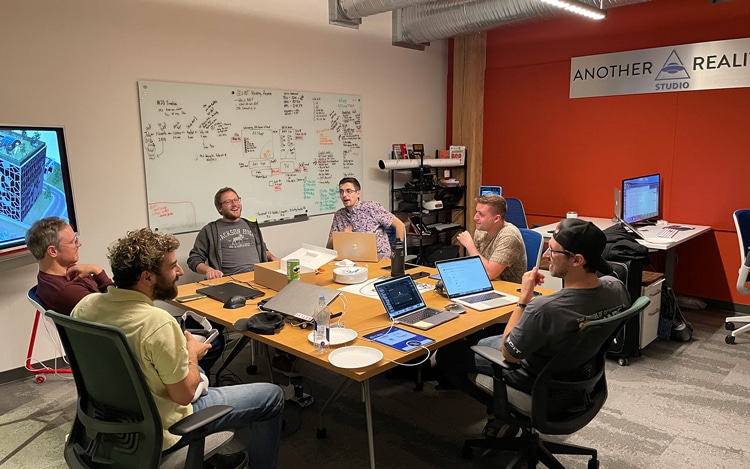
Your Expertise Stays in the Room
You bring the operating knowledge, audience insight, and business priorities. ARS turns that input into a product plan, brings in the right creative and technical specialists, and keeps decisions connected as the experience takes shape.
Five Stages, With Useful Outputs at Each Step
The stages create checkpoints for evidence and feedback. Scope can be adjusted before uncertainty becomes expensive.
-
Discover the Opportunity
Align on the audience, setting, problem, desired outcome, existing content, and constraints. The result is a shared project brief and a short list of assumptions to test.
Typical outputs
- Discovery brief
- Use-case priorities
- Risk and feasibility notes
-
Define the Product
Choose the experience format and target platforms, map the essential user flow, and shape the work into a practical first release or proof of concept.
Typical outputs
- Experience outline
- Platform recommendation
- Scope, estimate, and roadmap
-
Prototype the Core
Build the interaction or technical feature with the most uncertainty. Stakeholders can respond to something concrete before the team commits to full production.
Typical outputs
- Interactive prototype
- Visual direction
- Validated technical approach
-
Build & Review
Develop the application, interface, 3D content, and integrations in reviewable increments. Regular working sessions keep product decisions and priorities visible.
Typical outputs
- Working builds
- Prepared 3D and media assets
- Review notes and tracked decisions
-
Test, Release & Support
Validate the experience on its target devices and in its intended setting, resolve release issues, and prepare the application and team for rollout.
Typical outputs
- Quality and acceptance testing
- Release package or deployment
- Handoff and support plan
Test the Experience Where It Has to Work
Delivery Includes the Real Use Environment
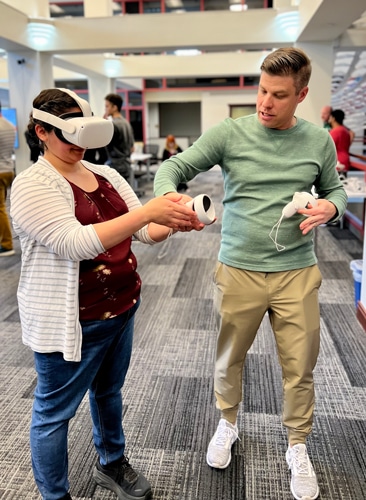
Headset fit, room setup, lighting, connectivity, device management, performance, and user guidance can all affect an XR rollout. ARS tests against the selected hardware and delivery context, then documents the release and handoff path.
Explore the Development Stack
See the product and engine expertise that can support a turnkey engagement.
3D App Development
See how ARS designs and develops interactive 3D applications across immersive and conventional devices.
Unreal Engine Development
Explore real-time 3D development for visually rich applications, simulations, and immersive experiences.
Unity Development
Learn about Unity development for interactive applications across a wide range of target platforms.